

Nigerians have proven, repeatedly, that we are not apathetic about democracy.
The air was thick with tension just a couple days ago as the National Assembly finally harmonized the Electoral Act of 2026. The memory of my colleagues and partners on the field being tear-gassed while demanding these very reforms are still fresh. We stayed online for days, trending hashtags until our thumbs were sore, demanding a law that would make our votes count. We fought for electronic transmission, for the bimodal verification (BVAS) to be the law, and for a system that couldn’t be manipulated at will.
Thankfully, On Wednesday, February 18, 2026, President Bola Ahmed Tinubu officially signed the Electoral Act (Amendment) Bill 2026 into law, it finally mandates the electronic transmission of results and legally cements the use of BVAS (Bimodal Voter Accreditation System). The bill also increased penalties for vote-buying to a ₦5 million fine or jail time.
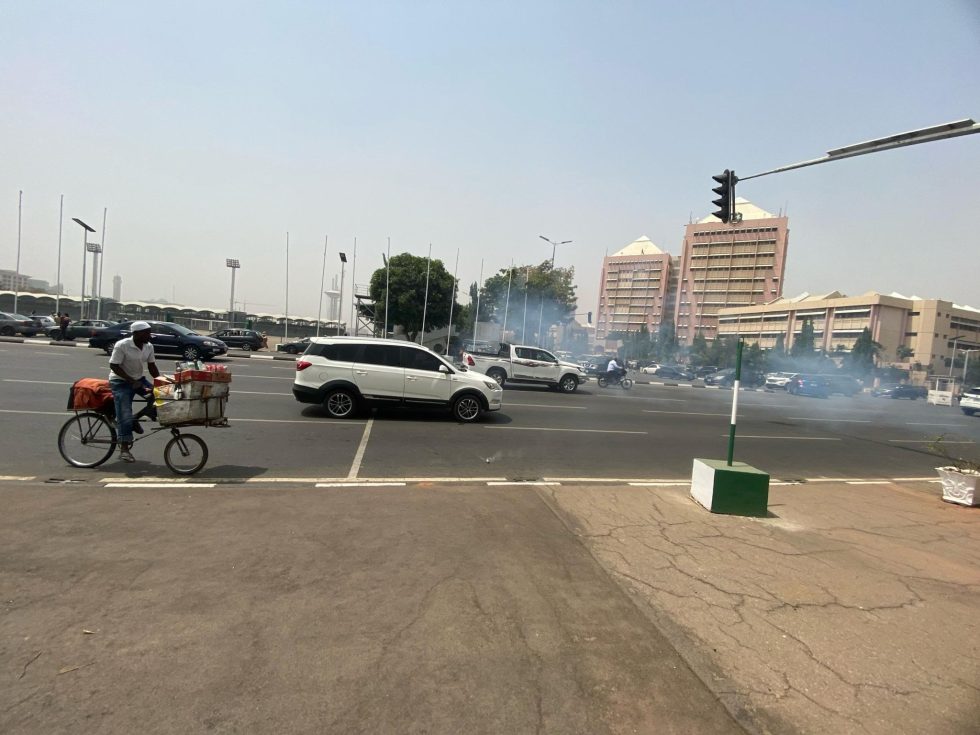
However, not too long after the bill, the recent AMAC elections exposed a massive waste of resources amongst many other challenges.
One of the things we observed with the PPDC election observation team, was a lack of fully decentralized or remote voting technology. In one of the polling units, the government deployed 10+ officials (including security and corpers) to polling units that saw as few as one voter. In the 2023 General Election, INEC’s budget was approximately ₦303 billion ($650 million), roughly $6.96 per registered voter. However, with a record-low turnout of only 27%, the “actual” cost per person who actually showed up was significantly higher, wasting billions in unused logistics and a consensus that we could have better use of our resources.
Another interesting outcome of this observation was seen in one of the viral content on social media showing a young woman, standing in the heat, admitting she would gladly exchange her vote for a “cold mineral and a snack.”
As usual, the “keyboard warriors” were quick to descend on her, calling her ignorant and blaming people like her as the reason Nigeria is failing.
According to the World Bank (2025/2026 updates), over 40% of Nigerians live below the poverty line and despite a slight dip in headline inflation to 15.1%, food costs remain a mountain for the average family.
It begs the question, Is it ignorance or hunger?
When a citizen looks at a ballot paper, they see a promise of “better power” or “better roads” that might (or might not) manifest. However on the other hand of this are instant exchanges like, a chilled bottle of coke, and a quick “cash” to put immediate end to a parched throat and a week reprieve from the gnawing hunger of a failing economy.
We cannot blame the hungry for choosing their stomach today over a dream that may never come true tomorrow. We must put this blame on a system that weaponizes poverty to keep the cost of “buying” a win low.
So while the law may have been “upgraded,” the human condition remains trapped in a cycle of survival.
Conclusion
Why are we still moving physical boxes with 10-man security teams in 2026? If the average Nigerian can use a mobile POS , why can’t we vote on a system like that? Upgraded voting technology is a cost-saving necessity that removes the need for the “theatre” of empty polling units and takes the power away from the person handing out bribes for vote at the polling Units.
The Nigerian Government must do better, signing a law is the bare minimum , implementing a system that respects the dignity of the Nigerian citizen is the goal. Until we fix the system, we will continue to see the sting of tear gas replaced by the sting of a wasted future all for the price of a daily meal.
Written by
Joyce Nyior.
Snr Communications Officer, PPDC